
BRIDAL CARE · WHAT TO EXPECT
Wedding Dress Cleaning Before and After
What actually changes when a gown is professionally cleaned? This guide to Wedding Dress Cleaning Before and After explains the marks we commonly see, how lace, tulle, satin and beading respond, and what is realistic, because results depend on the fabric, construction, age and type of staining.
Please note: images on this page are illustrative and are not real customer before-and-after results. Real examples are on our wedding dress cleaning page.
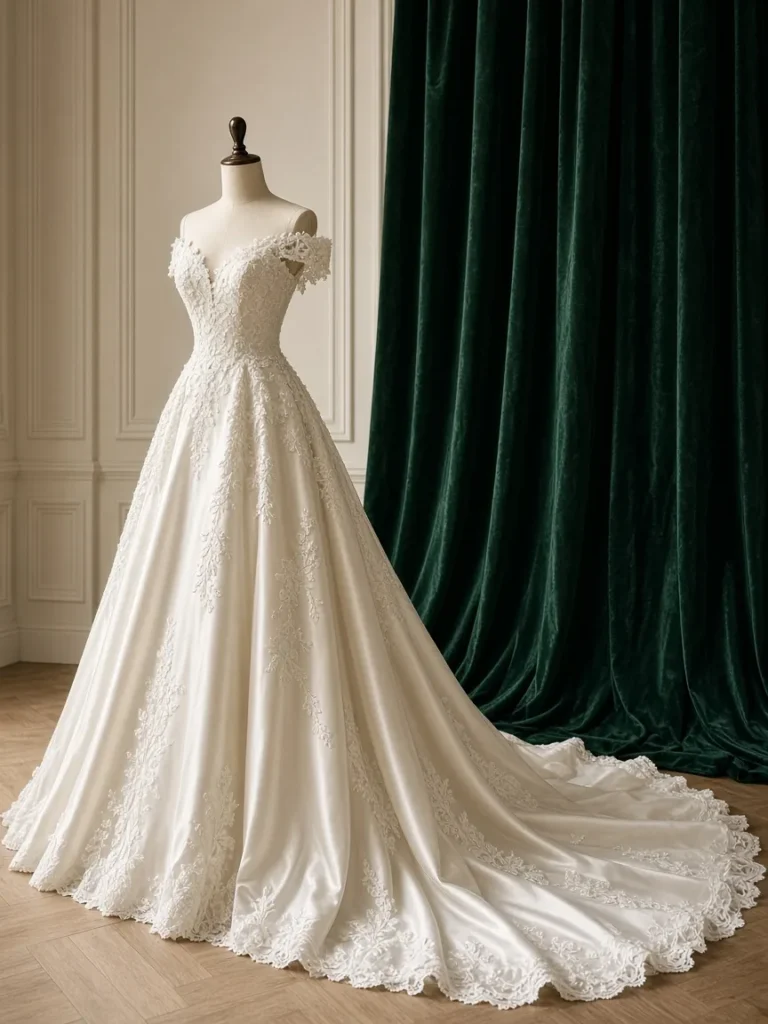
£190
Simple gowns from
£240
Beaded or detailed from
FREE
Preservation box worth £70
BEFORE: THE MARKS WE SEE
Common wedding-day marks, and what cleaning aims to do.
Each mark is assessed before treatment. The aim is always the best safe result for that individual dress.
Make-up
Foundation and lipstick often sit on the neckline, bodice and sleeves. These visible areas are treated where appropriate.
Wine & drinks
Splashes can be hard to see at first. Telling us where drinks were spilt helps us check those areas carefully.
Grass & mud
Outdoor photos leave marks on the train. Heavily marked areas such as the hem and train get particular attention.
Hem soil
A grey or dark hem is the most common sign of a long day. Hem and train cleaning is part of both our services.
Yellowing & discolouration
Seen on older or stored gowns, sometimes after plastic bags. Older dresses are assessed individually before acceptance.
Food marks
Food can land anywhere on the skirt. Close-up photos help us plan treatment before cleaning begins.
ILLUSTRATIVE COMPARISON
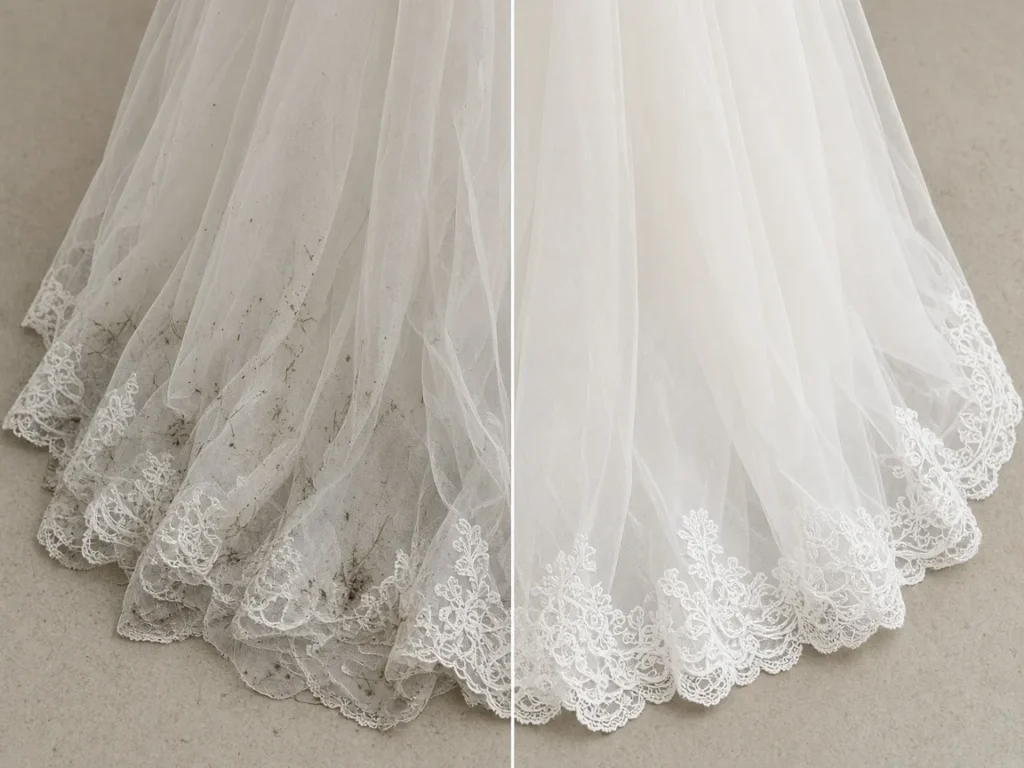
Before and after: the hem, illustrated.
This split image is illustrative only. It shows the kind of hem soiling we are asked about, not a real customer's dress or a promised result.
Before (illustrative): grey hem, grass and mud specks, dull tulle layers
After cleaning aims for: a fresher, brighter hem and lace edge, finished and pressed or steamed where appropriate
Realistically: some marks may fade rather than disappear completely
Caption: illustrative image created for this guide, not a customer before-and-after. For real examples, see our wedding dress cleaning service.
FABRIC BY FABRIC · ILLUSTRATIVE IMAGE
How each fabric changes after cleaning.
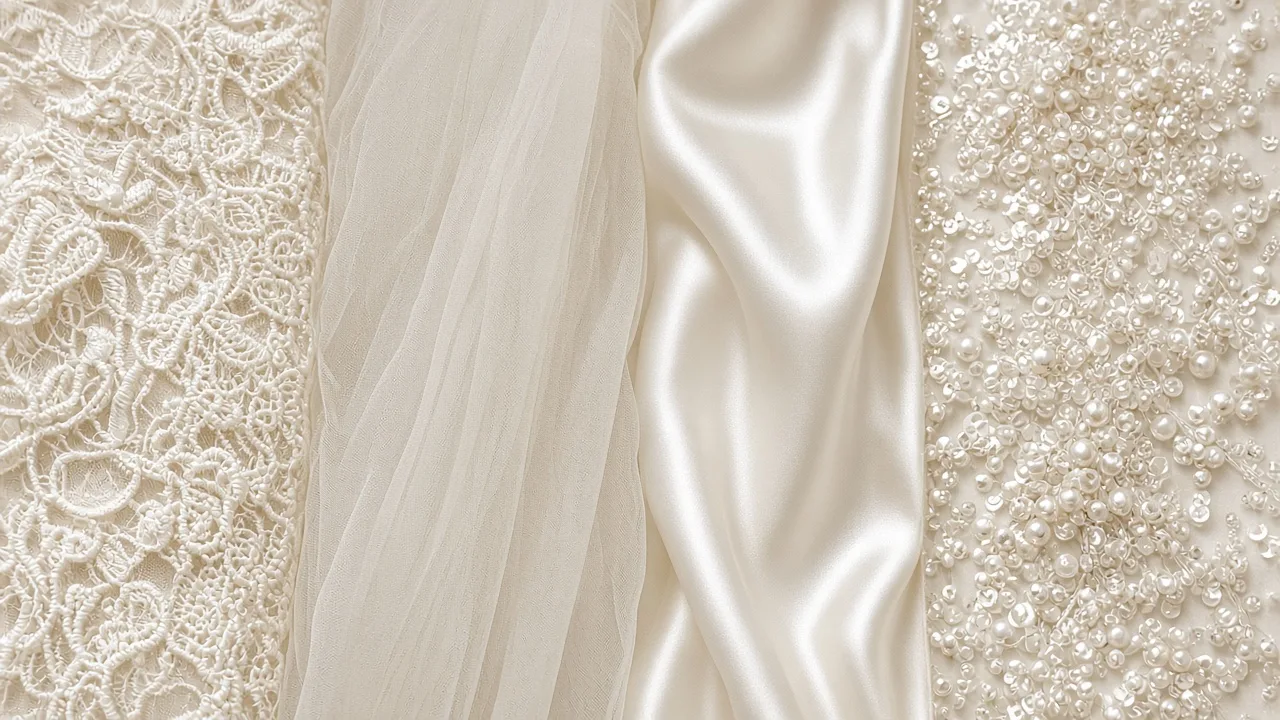
LACE
Detail first
Lace is checked for its pattern and construction so it can be refreshed without unnecessary stress on fine edges.
TULLE
Layers considered
Layered tulle traps dirt at the hem. The aim is a lighter, fresher skirt while keeping its shape.
SATIN
Smooth finish
Satin shows marks and creases easily, so careful finishing and pressing or steaming matter as much as cleaning.
BEADING
Embellishments protected
Beads and sequins are inspected beforehand. If anything could be affected, we discuss it with you before proceeding.
REALISTIC EXPECTATIONS
What Wedding Dress Cleaning Before and After results depend on.
We treat each mark carefully but cannot promise every stain will fully disappear. After inspection we tell you what is realistic before cleaning starts. (Image below is illustrative.)
Send us your own photos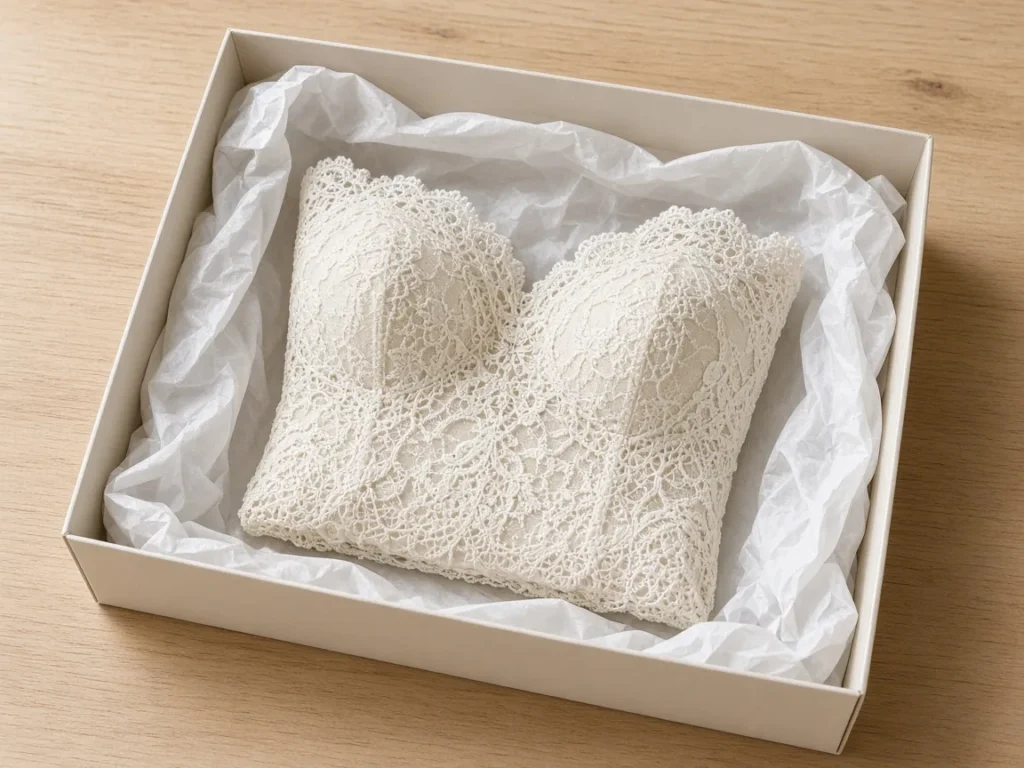
Age of the mark
Some marks become harder to treat over time, so it is sensible to arrange cleaning reasonably soon after the wedding.
Fabric & construction
Delicate fabrics and embellishments limit how a mark can safely be treated.
Previous attempts
Tell us if anything was used on a stain already, as it can affect the outcome.
Care label
Vintage gowns and “do not dry clean” labels need extra consideration and are assessed individually.
CUSTOMER REVIEWS
What our customers say
Reviews from genuine Farnham Dry Cleaners customers on Google.


BEFORE AND AFTER QUESTIONS
Wedding dress cleaning before and after: FAQs.
Honest answers about results.
Read about our wedding dress cleaning service and the preservation box, or contact us.
Will every stain come out?
No promise can be made. We treat each mark carefully, but age, fabric and how long a mark has been there all affect the result. We tell you what is realistic after inspection.
Are the images on this page real results?
No. They are illustrative images for this guide. Real customer examples appear on our main wedding dress cleaning page.
Can an older or yellowed dress be cleaned?
Older dresses are welcome. Send photographs and we will assess the gown before confirming whether we can accept it.
How much does it cost?
From £190 for a simple gown and £240 for a beaded or heavily detailed gown. Veils are £25 and skirts from £35, with a free preservation box worth £70.
How long does cleaning take?
Usually around 3–4 weeks from collection. Tell us your date if you need it sooner and we will confirm what is possible.
What photos should I send?
The front, back, hem, train, detailing and close-ups of any stains or areas of concern, plus your postcode.
YOUR DRESS, YOUR ASSESSMENT
Send us your own photos.
Every gown is different. Share photos of your dress for an honest view of what Wedding Dress Cleaning Before and After could look like for you, with a clear quotation.