
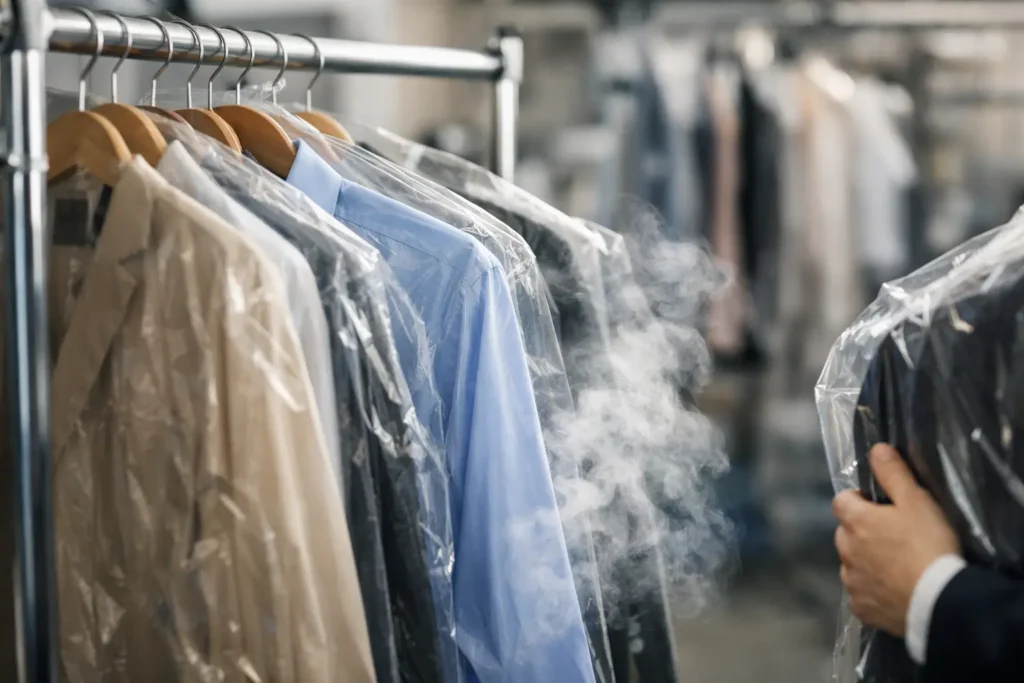
A suit that smells of restaurant smoke, a coat carrying a damp smell after a rainy commute, or a dress with lingering perfume can feel unwearable even when it looks clean. So, can dry cleaning remove odours? In many cases, yes. Professional dry cleaning can significantly reduce or remove odours trapped in clothing, particularly on delicate garments that cannot simply be put through a home wash.
The result depends on the cause of the smell, the fabric, and how long the odour has been left to settle. Dry cleaning is highly effective for many everyday odours, but it is not a magic fix for every problem. A professional cleaner will assess the garment and choose the safest treatment rather than risking shrinkage, colour loss or damage to the fabric.
Can dry cleaning remove odours from all fabrics?
Dry cleaning works by using specialist cleaning solvents rather than water. These solvents lift oils, dirt and residue from fibres, which is often where odours are held. The process is particularly useful for fabrics such as wool, silk, cashmere, velvet and tailored materials, where home washing may distort the shape or affect the finish.
Smoke, cooking smells, perfume, light body odour and general stale odours often respond well to dry cleaning. The cleaning process removes the residues that feed or hold the smell, rather than simply covering it with fragrance. Professional finishing also helps, as garments are carefully pressed and aired before they are returned.
However, some odours need additional treatment. Strong perspiration, pet urine, mildew, fuel, mould or old food spills can penetrate deeply into the fibres. In these cases, the garment may need targeted pre-treatment, wet cleaning or a repeat process. The care label matters too. Some items are dry-clean only, while others may achieve a better result with controlled professional washing.
Why clothes can still smell after washing at home
A home wash may leave an odour behind even when the garment appears clean. This is common with synthetic sportswear, work shirts, knitwear and items that have been stored for a while. Oils from skin, deodorant, food and pollution can build up gradually, and a quick wash at a low temperature may not fully remove them.
Overloading a washing machine, using too much detergent or leaving laundry damp for too long can make matters worse. Detergent residue can hold onto bacteria and stale smells, while slow drying creates the conditions for a musty odour to develop.
Dry cleaning is not always the answer for washable clothing, but it is a sensible option for structured, delicate or high-value garments. It can also be useful when the smell is localised and you do not want to risk washing an entire item at home.
Which odours respond best to professional dry cleaning?
The most successful treatments are usually for odours linked to surface oils, everyday wear and environmental exposure. A blazer worn in a busy pub, a formal dress from an event, or a winter coat used on public transport can pick up smells without looking visibly marked.
Smoke odour is one of the most common reasons customers bring in suits, coats and occasionwear. Cigarette smoke, fireplaces and cooking smoke can cling to natural fibres, lining fabrics and pockets. Professional cleaning can remove much of this residue and leave the garment fresher without exposing it to unnecessary water.
Food and cooking odours can also respond well, especially if the item is cleaned promptly. Oil-based smells from fried food are more likely to settle into fibres over time, so waiting several weeks can make treatment less predictable.
Perfume and aftershave may seem harmless, but repeated use can leave a heavy scent on silk, wool and synthetic linings. Dry cleaning can reduce this build-up, although very strong fragrance oils may need more than one treatment.
When dry cleaning may not fully remove the smell
If a garment smells damp or mouldy, it should be dealt with promptly. A musty smell may mean the item was stored while wet, kept in a poorly ventilated wardrobe, or affected by water damage. Cleaning can often improve the odour, but visible mould, staining or fibre damage can limit what is possible.
Perspiration odour is another case where results depend on age and fabric type. The smell is not only in the fabric – it can be linked to deodorant residue and bacteria around the underarms, collar or waistband. A cleaner may recommend specialist stain treatment or professional wet cleaning where the care label allows it.
Fuel, paint, chemicals and strong pet odours should always be mentioned before cleaning. These may require a specific process, and some contamination can make a garment unsuitable for standard dry cleaning. Being clear about what caused the odour helps the cleaner select the right treatment from the start.
No reputable cleaner should promise perfection before inspecting a heavily affected item. Honest advice is part of expert garment care, particularly with older stains, vintage fabrics, leather trims or delicate embellishments.
Dry cleaning versus professional wet cleaning
Dry cleaning and wet cleaning are different services, and the best choice is based on the garment rather than the smell alone. Dry cleaning is usually preferred for tailored jackets, wool coats, silk garments and pieces with structured linings. It helps preserve shape while removing oily residues and everyday odours.
Professional wet cleaning uses water in carefully controlled conditions, alongside specialist detergents and drying methods. It can be especially effective for washable fabrics with perspiration, mildew or water-soluble odours. Unlike a standard home wash, the temperature, movement and drying process are adjusted to protect the item.
A good cleaner will not use one method for everything. The goal is to remove the odour safely while protecting colour, texture, trims and fit. This is particularly valuable for wedding outfits, formalwear, premium outerwear and garments with care labels that seem restrictive or unclear.
What to do before sending an item for cleaning
Do not spray the garment heavily with perfume, fabric freshener or deodoriser before it is cleaned. These products can mask the original smell and may leave residue that complicates treatment. Avoid using heat, such as a tumble dryer or radiator, if there is also a stain – heat can set oils and make both the mark and the odour harder to remove.
Air the item in a dry, well-ventilated space if you can, but do not leave it outdoors overnight where damp may settle into the fabric. Then place it in a clean bag or separate it from fresh laundry. This prevents the odour transferring to other clothes while you arrange cleaning.
When handing it over, explain where the smell came from and how long it has been there. Mention any previous cleaning attempts, especially stain removers or sprays. That information gives the cleaner the best chance of choosing an effective and fabric-safe approach.
Keeping freshly cleaned clothes smelling fresh
Once a garment has been professionally cleaned, storage makes a real difference. Make sure it is fully dry before it goes back into a wardrobe, and avoid packing clothes too tightly together. Air needs room to circulate, especially around coats, knitwear and occasionwear that may only be worn occasionally.
For suits, dresses and jackets, a breathable garment cover is better than keeping the item sealed in plastic for long periods. Plastic can trap moisture and encourage stale smells. Clean your wardrobe regularly too, as dust, damp and old shoes can affect freshly cleaned clothes.
Items worn close to the skin, such as shirts, blouses and lightweight knitwear, should be cleaned more often than outer layers. Coats and tailoring do not need cleaning after every wear, but they benefit from attention when they pick up smoke, food odours or a general stale smell.
For busy households, professional care is often the simplest way to deal with garments that need more than a quick wash. Farnham Dry Cleaners can assess the fabric, treat the source of the odour where possible, and return your clothes properly cleaned, pressed and ready to wear. If a favourite item smells wrong but is too delicate or valuable to experiment on at home, getting it checked early is usually the safest choice.